Functional training or a good old-fashioned gym full of machines? It’s the most common question for anyone who’s starting to train seriously for the first time. Here are the real differences between functional training and a traditional gym, with no marketing spin, so you can choose based on facts rather than doubts.
What is a traditional gym?
A conventional gym is built around resistance machines and free weights in open-plan rooms, where everyone designs their own routine (or copies one off the internet) and trains alone, at their own pace, without ongoing supervision. It’s a perfectly valid option if you already know exactly what to do and prefer training without fixed class times or a group.
What is functional training?
Functional training is based on natural, multi-joint movements — squatting, pushing, pulling, hip hinging, running — combined in coach-led group classes, with a different structure every day: a warm-up, a strength or technique block, and a final WOD that puts everything before it to the test.
Functional training vs a traditional gym: the differences that really matter
- Machines vs natural movement: a traditional gym isolates muscles with machines; functional training works complete movement patterns you use in everyday life.
- Training alone vs coach + group: at the gym nobody corrects your technique unless you pay extra for a personal trainer; in functional training the coach is there in every class, correcting you in real time.
- Fixed routine vs a different session every day: at the gym you repeat the same routine for weeks on end; in functional training the WOD changes daily, so your body never fully gets used to it.
- Looks vs real performance: a traditional gym focuses on building muscle one body part at a time; functional training aims to make you better at strength, endurance and mobility all at once, with the physique following as a result.
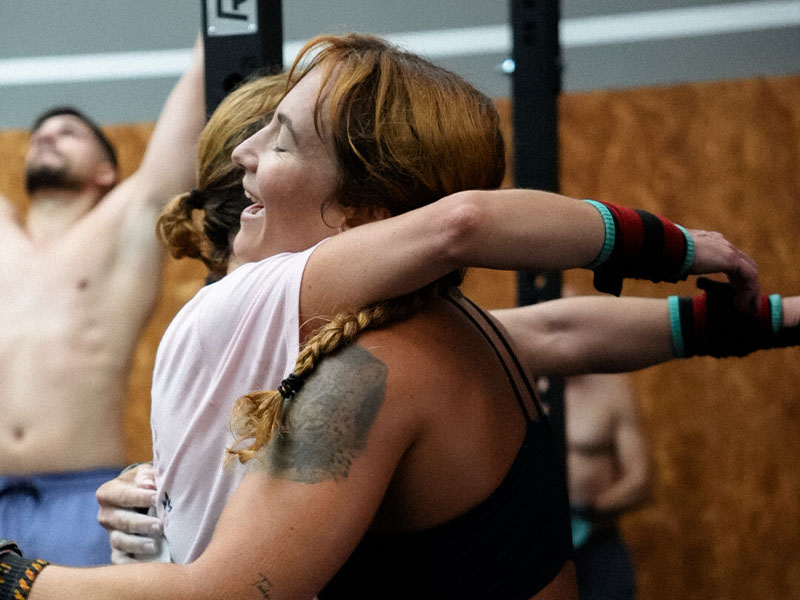
- Going solo vs community: the group factor — training with the same people at the same time every week — is one of the main reasons people stay consistent for longer with functional training than at a traditional gym.
Functional training or gym: which is better for you?
If you already have training experience, know how to programme your own routine and want total flexibility without depending on a class, a traditional gym may suit you well. If, on the other hand, you want someone to guide you, correct your technique and keep you from skipping sessions, group functional training tends to get better results in the medium term — precisely because of the consistency that comes from training with others.
The best training routine isn’t the most complete one on paper: it’s the one you’ll actually stick to week after week.
What a functional training class is like at Redfield T&F
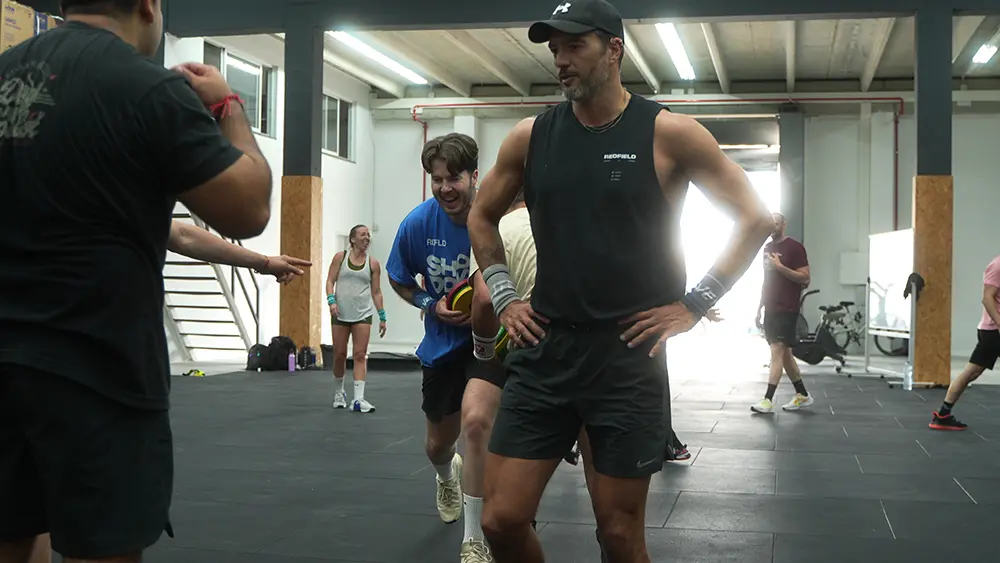
Every session follows the same structure: a warm-up, a strength or technique block (which may include Olympic weightlifting or gymnastics) and a final WOD adapted to your real level, always with a coach leading the group. CrossTraining-style, in a space of over 500 m² with professional Rogue and Ruster equipment.
If you’d like to feel the difference for yourself instead of just reading about it, book your free class — no previous experience needed and no joining fee.